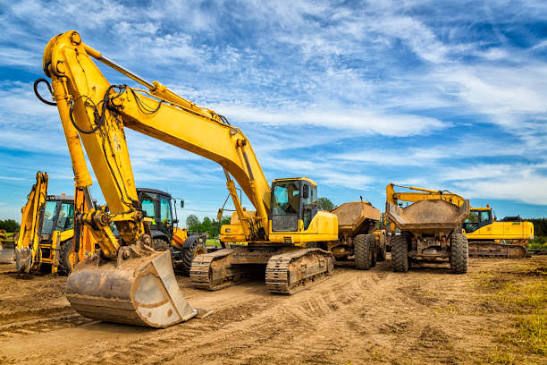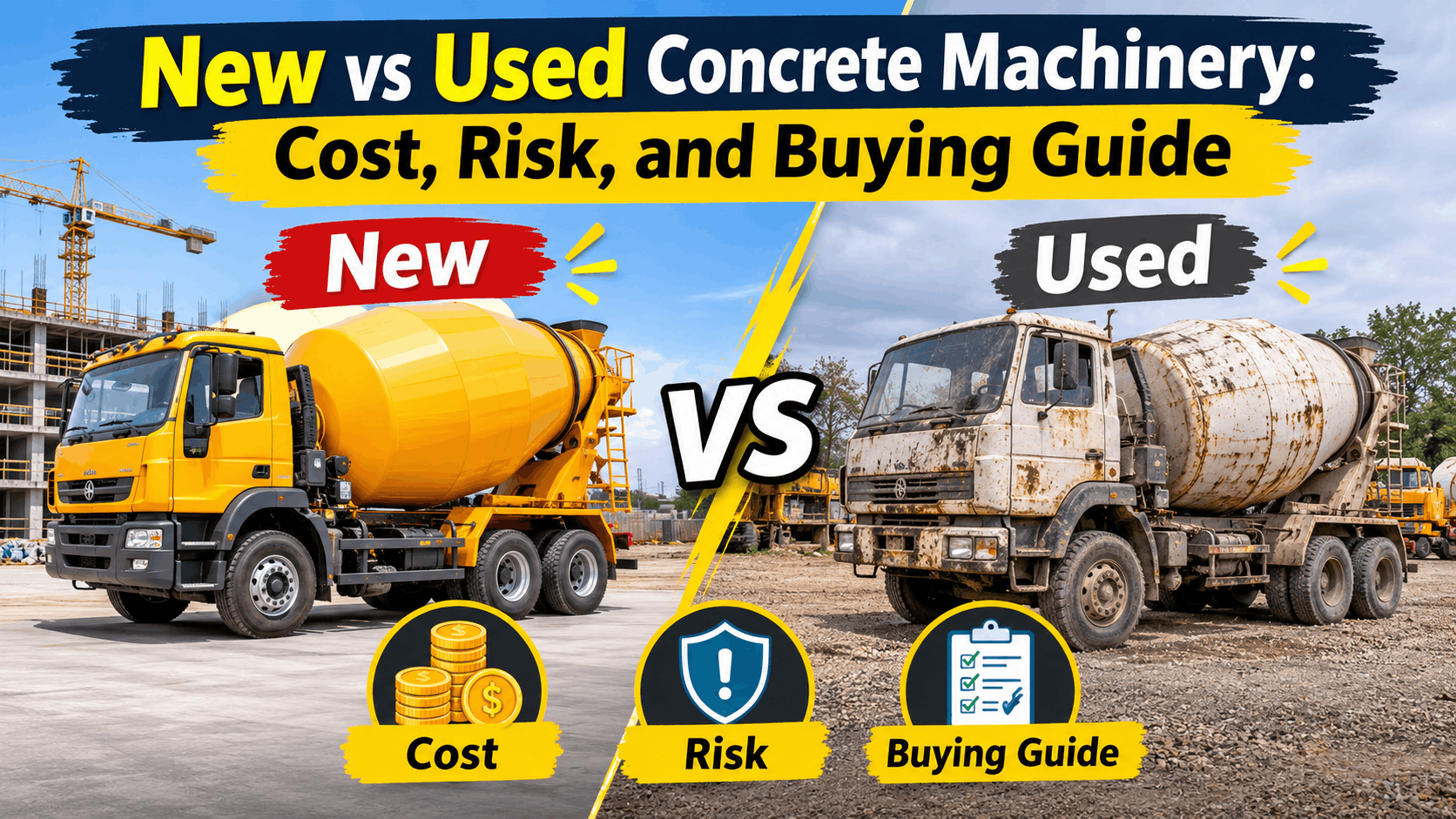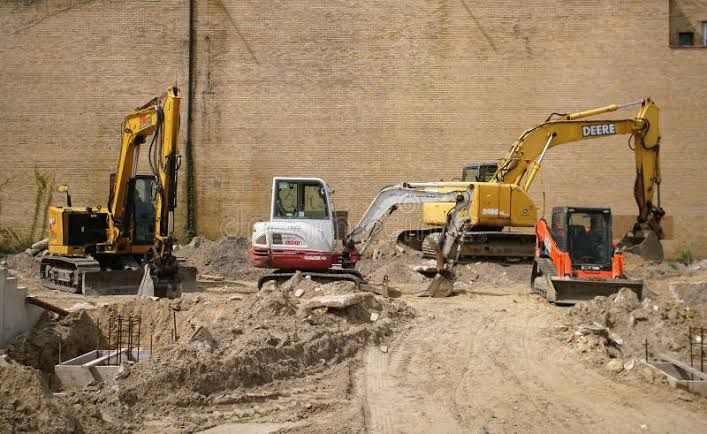


Choosing between a new and used excavator is an important decision, as the right selection can improve operational efficiency and offer financial stability throughout the service life. Since every business has unique requirements, there is no universal solution that works best for every type.
To make informed sourcing decisions, buyers should consider some important factors, including project scale, daily operating hours, and budget. Businesses should note that every excavator, whether used or new, comes with both advantages and disadvantages. To make an informed decision, they should choose equipment after understanding their business needs, expected usage, and service life.
They should also check warranty and maintenance requirements to calculate the overall purchasing cost. This guide covers all the necessary details about new and used excavators, offering practical purchasing guidance to buyers from sourcing to maintenance. This ensures that they purchase equipment that meets their operational requirements.
New excavators generally require a higher initial investment than used machinery; this includes charges for the equipment, delivery, insurance, installation, and initial setup. New heavy equipment procurement may require substantial upfront investment that may be difficult for small businesses or startups to pay. Businesses have to consider many factors beyond the initial equipment pricing, including installation, labor, maintenance, spare parts, and operating costs that also require investment.
The newly purchased excavators typically experience greater depreciation during their initial years, whereas the used excavators have already suffered this initial value loss. This makes used excavators a more relevant choice for businesses that want to preserve their working capital and source suitable earthmoving machinery within their intended budget.
This factor is important, as new excavators generally require less corrective maintenance during their initial operating years, provided they are operated according to the manufacturer’s guidelines. However, routine maintenance remains necessary to ensure better performance of the equipment over time. The maintenance requirements of used equipment are unexpected and higher; however, it mostly depends on the previous maintenance records.
In terms of resale value, no equipment type will ensure better value; it depends on how the excavator is maintained during its use. Thus, only a well-maintained unit with proper handling provides better resale value, as it minimizes the risk of unexpected downtime even after several years of usage.
The total cost of ownership includes more than the purchase price. Buyers should also calculate transportation, insurance, financing, fuel consumption, scheduled maintenance, repair expenses, spare parts, downtime, and resale value. Comparing these costs over the expected service life can help determine whether a new or used excavator offers better long-term value.
Total Cost of Ownership
Purchase Price + Operating Costs + Maintenance + Downtime + Financing - Resale Value
|
Factor |
New Excavator |
Used Excavator |
|
Upfront Price |
A large upfront investment |
Generally lower and saves some amount |
|
Depreciation |
More initial depreciation in the first few years |
Has already faced the initial depreciation |
|
Warranty & Support |
Many suppliers may provide a manufacturer-backed warranty coverage as discussed in the signed contract. |
Used excavators may have limited or no warranty coverage, although some dealers offer coverage on selected components or certified pre-owned units. |
|
Downtime Risks |
Best for tough, heavy-duty operations following tight schedules |
Moderate to high, mostly depends on the condition and previous upkeep |
|
Availability |
Depends on the factory/dealer lead times |
May be available immediately from existing dealer inventory, although inspection, repairs, and transportation can affect the delivery schedule. |
|
Financing |
New excavators may come with manufacturer-backed financing, promotional payment options, or equipment leasing, depending on the supplier and financing provider. |
Financing may be available through banks, equipment lenders, or dealers, although interest rates depend on the machine’s condition, service life, and buyer’s credit profile. |
|
Technology |
More likely to include newer technology and features |
Features depend on model year and configuration |
|
Best Suited For |
Long-term projects and buyers prioritizing warranty and predictable support |
Budget-conscious buyers, shorter projects, and businesses needing suitable equipment at a lower initial cost |
Used excavators may work well for budget management and when construction companies urgently require equipment to minimize operational disruptions or risks of incomplete project delivery. Used equipment also has some risks, which include:
The used excavators come with an unknown service history. Moreover, equipment operated poorly without following a proper maintenance cycle is likely to experience unexpected downtime and premature wear.
Used excavators may have traditional features and lack modern technology that can improve the equipment's working speed and efficiency. For buyers who plan to purchase a used unit and rebuild or upgrade it, they should calculate the total expenses beforehand, as it may cost more than a new excavator at a potentially lower cost.
A worn-out engine, leaking hydraulic pumps, and an unresponsive control system are signs of hidden wear and tear that may require more costly repairs or maintenance interventions. Thus, buyers should inspect the machinery thoroughly. However, buyers should consider that inspection does not eliminate all maintenance and repair expenses; it only partially minimizes additional repair costs.
Some common risks to consider when purchasing a new excavator:
A brand-new excavator may depreciate rapidly, losing a significant amount of its value in the initial years. This also reduces the resale value of the machine as the market price declines relative to its original purchase price.
Manufacturing or customizing excavators from scratch may take longer, and buyers have to consider factors that facilitate the production process. This may include efficient raw material sourcing, confirming material availability, and ensuring required technical components.
Moreover, heavy construction equipment buyers should also verify the supplier's credibility and confirm the estimated delivery times. It is necessary to ensure they receive suitable excavators on time to avoid project delays. Checking the supplier's manufacturing capability is also important, as it prevents businesses from ordering non-conforming units.
The selection between used and new excavators can be made successfully when project managers and construction businesses consider the following factors:
First, identify your business requirements, project scale, required operating speed, and how long the project will last. Then consider daily operating-hour requirements, since new excavators may be a suitable choice for projects with long operating hours, demanding workloads, and extended service requirements, particularly when buyers want predictable maintenance costs and manufacturer-backed support.
However, a well-maintained used excavator with suitable specifications may also meet demanding project requirements at a lower acquisition cost. Moreover, you can also consider buying used excavators if you require fewer hours of operation for a short time period. Understanding these requirements can help you source the right excavator type that matches your intended operational requirements and budget.
Used machinery may come with limited or no warranty coverage, which can put the entire maintenance burden on the buyer, depending on the dealer's policies. Buyers must separately confirm spare-parts availability, replacement costs, and after-sales support before finalizing the purchase. In such a case, new machinery appears more suitable, as many new excavator suppliers may offer a one-year factory warranty coverage, giving buyers relief from early-stage expenses.
However, no type of equipment ensures full warranty coverage; thus, confirm this with the companies or distributors. They should also ask whether the supplier's parts fall under the warranty terms and whether spare parts are available.
When purchasing used excavators, buyers must request previous maintenance documentation, repair invoices, operational hours details, and component replacement history. For new equipment, they should review the factory inspection documents and technical specifications to inspect any visible signs of cracks, material warping, or poor handling.
Buyers can request a trial run or visit the factory or manufacturing facility to arrange a thorough third-party physical inspection for used excavators. Check the following mechanical components before placing a bulk order.
For used machinery:
Engine and hydraulic system
Undercarriage and track components
Boom, arm, and bucket
Travel motors and swing mechanism
Cabin controls and safety features
Signs of structural repairs and excessive wear
For new machinery:
Factory specifications and serial number
Pre-delivery inspection report
Attachment compatibility
Visible transport damage
Warranty documentation with components included
Some important methods for sourcing excavators may include:
To find excavator suppliers, Tradewheel.com is a reputable option. On this platform, you will find new and used excavator suppliers from around the globe. The listed sellers offer different excavator models and configurations, with different sizes, engine capacities, and performance levels. Moreover, the suppliers also provide different structural components such as digging buckets, water tanks, and excavator spare parts.
You can compare multiple offers based on pricing, specifications, and MOQ. Also, you can submit an RFQ form if you have any specific requirements. The platform is suitable for buyers who are looking to source construction equipment in bulk from a trusted seller either locally or worldwide.
JumboBee allows buyers to explore a wide variety of excavator suppliers. The platform provides efficient search tools that can help buyers find the exact equipment match in their destination market. Buyers can also request applicable import regulations and documentation to make the procurement process simple.
ThomasNet is an industrial equipment sourcing platform that buyers can use to find potential suppliers near them. They can review the technical specifications and contact potential sellers to request multiple equipment quotations and inspection arrangements.
Use social media platforms like Instagram and Facebook and search with relevant keywords, including excavator dealers and machinery suppliers, to locate potential distributors. Buyers must assess their brand reputation, contact details, and customer reviews before negotiating an order.
Use trade platforms like Trademo to assess the import/export data of multiple excavator exporting companies by country and confirm whether they have enough inventory and production facilities for repeat purchases.
Considering the first offer as suitable because it requires a lower initial payment.
Not reviewing multiple excavator supplier offerings to find a suitable offer that suits the business requirements.
Not reviewing business registration details, customer reviews, factory location, and proof of ownership before transferring a huge sum of money.
Neglecting maintenance records, undercarriage wear details, engine history, and recent repair/part replacement logs to assess the overall condition and estimate the equipment's service life before purchasing.
Not confirming warranty service and spare-parts availability.
Accepting the final offer without checking whether it includes additional costs such as tooling, packaging, handling, shipping, and transportation expenses.
Choosing between a new and used excavator requires more than comparing purchase prices. Buyers should evaluate the machine's expected service life, operating hours, maintenance requirements, warranty coverage, spare-parts availability, and potential resale value.
Used excavators, although they require a low initial payment, often require more frequent repairs and maintenance, which can offset the initial purchase savings. This makes the actual ownership cost of used equipment comparable to that of a new unit. Thus, businesses must calculate the estimated total cost of ownership before selecting an excavator that matches their business requirements.
What are the most important components to inspect when buying a used excavator?
Buyers should examine the engine, hydraulic system, undercarriage, boom, arm, bucket, travel motors, and operator controls. They should also check for oil leaks, structural cracks, excessive wear, and signs of previous repairs.
How can buyers identify signs of excessive wear or previous damage in an excavator?
Look for worn-out components, damaged cylinder rods, oil leaks, unusual engine smoke, loose joints, cracks, and uneven wear. Comparing the machine's physical condition with its operating hours and maintenance records can also help identify potential concerns.
Is a physical inspection enough to verify the mechanical condition of a used excavator?
No. A physical inspection should be combined with an operational test, maintenance record review, and independent mechanical assessment. A thorough evaluation may also help identify hidden engine or hydraulic issues that aren't visible during a basic inspection.