

Concrete machinery plays an essential role in modern construction, helping contractors streamline concrete production, transportation, and placement. However, choosing the wrong equipment can increase operational costs, delay project completion, and affect construction quality.
For construction businesses, successful concrete machinery procurement involves more than comparing prices. Buyers must evaluate equipment capacity, operating costs, manufacturer credibility, quality standards, and after-sales support before ordering.
This guide explains how to procure concrete machinery for construction projects, where to find reliable suppliers, and which factors to evaluate before making a purchasing decision.
|
Machinery |
Main application |
|
Concrete mixer |
Combines cement, aggregates, water, and other ingredients to form a uniform mixture |
|
Batching plant |
Measures and combines materials according to specified mix proportions |
|
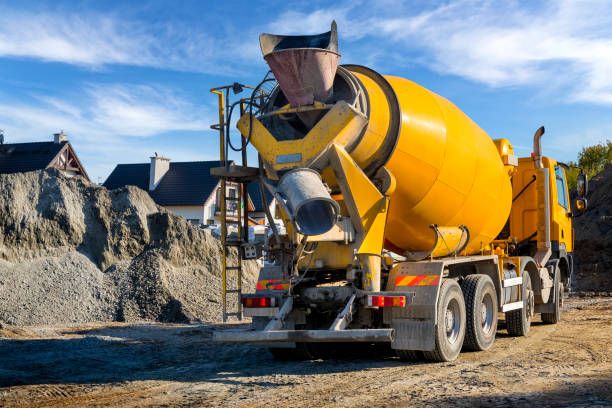
Transit mixer |
Transports fresh concrete with a mixing drum to maintain the concrete's uniformity |
|
Concrete pump |
Delivers concrete to pouring locations |
|
Concrete vibrator |
Concrete vibrators consolidate freshly placed concrete by removing entrapped air. |
|
Screed machine |
Levels concrete to provide even surfaces |
|
Power trowel |
Smooths and finishes concrete floors |
|
Paving machine |
Used to handle Large-scale concrete paving (spread, level, finish) |
|
Self-loading mixer |
Combines multiple functions such as loading, mixing, and transporting concrete |
Some important points that can help buyers procure suitable concrete machinery include:
Whether you handle residential, commercial, or infrastructure construction projects, you have to understand your requirements and choose equipment based on the scale of the construction project. Businesses can select from multiple concrete machinery options, including:
Small Projects: Portable mixers suit limited residential construction and small repairs.
Medium-sized Projects: Transit mixers and large concrete mixers suit building construction and regular concrete needs.
Large-scale Projects: Batching plants, concrete pumps, and high-capacity mixers are ideal options for infrastructure, commercial buildings, and large construction projects.
What Buyers Should Consider Before Making a Decision:
Expected concrete volume (cubic meters per hour or per batch)
Project duration and daily production requirements
Type of concrete required
Machine capacity and output rate
Site conditions, available space, and power supply required
Consider the transportation and overall mobility requirements of equipment
Businesses should understand the power demand and efficiency of concrete machinery to source a reliable machine. Electric-powered equipment can offer reduced on-site emissions and low operating costs, making it a reliable option for companies that want to minimize their carbon footprint. However, this option is not reliable for businesses in areas with persistent power shortages.
Diesel-powered machines do not require electricity, but they need more money to operate due to higher fuel costs. Thus, diesel-powered equipment can be more suitable for remote construction sites with limited access to electricity.
Before deciding on a machine type, concrete machinery buyers should consider that fuel consumption varies by machine type, engine capacity, workload, operating hours, and maintenance schedules. For instance, the new, modern machine may require less fuel to deliver similar output compared to older or poorly serviced engines.
Businesses should review the final quotation offered by the supplier. This helps them estimate the final shipment cost and avoid the risk of paying additional charges when the shipment arrives. They should check if the final offer includes all the applicable charges such as Production charges, unit price, tooling and sampling fees, import duties, documentation, taxes, handling, shipping charges, and port delivery costs.
Once you have clearly identified your actual requirements, document them in a specification sheet and search for suppliers offering suitable equipment that matches your specified needs. There are several ways that businesses can use to find concrete equipment suppliers, such as
Tradewheel.com is a reliable B2B global sourcing platform that helps businesses explore multiple concrete machinery manufacturers and suppliers. The platform has an extensive network of construction machinery suppliers worldwide, including China, Kenya, the USA, Poland, Turkey, and more. Their offerings include concrete mixers, concrete batching plants, vibration compactors, standard concrete mixing plants, construction trucks, and other machinery for different purposes.
Buyers can review the complete product description and send an RFQ to specify their required quantity, output capacity, preferred coating material, and delivery destination to negotiate an order.
Surplus Record is an online marketplace and business directory that can help businesses source new, surplus, or used industrial machinery. Buyers can use the search option to easily filter searches for relevant concrete equipment manufacturers by country name. They can then choose a suitable listing from multiple offers to carefully review the description.
Buyers should verify a supplier first by contacting the details provided, requesting photographs, or visiting the business address in person. Buyers can fill out the contact form to connect with a potential supplier and discuss their sourcing requirements.
Exapro is a B2B marketplace that concrete construction equipment buyers can use to find suppliers and build lasting trade connections to avoid any delays in construction operations. Buyers can use relevant keywords to find suppliers, shortlist 2 to 3 reliable distributors, and send inquiries to receive a relevant quotation tailored to their specified requirements.
If applicable, buyers can also request a trial run to test the operational efficiency and determine whether the machine is suitable for the intended workload.
Social media platforms like LinkedIn and Instagram are another important network that concrete equipment buyers can use to explore suppliers with a consistent export history. However, businesses placing a large bulk shipment should verify supplier credentials before making substantial upfront payments. They should also confirm whether the representative's identity matches the reputable organization they claim to represent before sharing sensitive information a fraudster could misuse.
Businesses can also ask professional companies or individuals to recommend trusted concrete machinery providers they have worked with before. Even if the referral isn't a suitable partner, they can still provide new contacts to reach out to suitable suppliers globally or locally.
Buyers can review the supplier's export history to see whether they can handle bulk quantities with consistent, durable quality. They can also read customer reviews to verify whether the supplier has an established reputation worldwide.
They should also evaluate a supplier to confirm they can manufacture or deliver the intended machinery while fully complying with quality regulations. Ask the supplier whether they provide relevant certifications applicable to your destination market. According to CBM Experts, buyers can request the following certifications, including:
CE marking (shows conformity with EU regulations)
ISO 9001 (to ensure quality management) - However, this certification only supports the supplier's ability to follow control practices; it does not verify the quality of a particular machine.
IEC 60204-1 (to verify electrical equipment safety)
ISO 13849 (for safety of control systems)
Or Factory Production Control documentation to ensure that the equipment is produced with complete traceability and follows critical measurement dimensions.
Businesses should evaluate the quality of the material used to know whether the concrete equipment's components are suitable to handle intended tasks. They can check the steel frame, blade, mixer drum, or other components, as businesses need strong materials, suitable thickness, and protective coating to guard the components from corrosion.
Buyers must review the condition of bearings, gears, motors, hydraulic parts, and rotating assemblies to ensure that the purchased equipment offers smoother operations for a longer duration.
Where possible, businesses can also request a trial test to identify the machine's compatibility with the required workload. This can help them check noise, vibration, leakage, and mixing performance.
Buyers must evaluate a supplier to determine whether they provide post-delivery support, such as installation assistance, or do not respond once the shipment arrives. Businesses must select a concrete construction equipment distributor that provides complete guidelines for installation, operation, and maintenance to assist them throughout the process.
Businesses should also ask the supplier beforehand whether they offer repair services and troubleshooting. They must confirm with the supplier the warranty coverage period and the components covered under the warranty.
Thus, to make the concrete machinery procurement successful, buyers should look for suppliers that respond to their technical queries quickly. This can support buyers with continuous assistance for replacement parts supply and to make complaints if any error arises from the manufacturer's side.
Are the steel materials and grades used of good quality?
What is the total lifespan of the equipment under normal operating conditions?
What is the actual output instead of the stated one?
Are the spare parts easy to source in my destination market?
Do you support live demo testing or renting of equipment to test the efficiency to perform the intended operation?
How are delivery times measured, and what happens if the shipment is late?
Is there some other related or hidden cost beyond the quoted price?
Some serious mistakes that businesses might make when sourcing concrete machinery include:
Buying equipment without understanding your requirements, which can lead to non-conforming machines not capable of fulfilling the required task.
Not paying attention to after-sales support. Always choose a supplier who can offer installation support and has updated inventory to provide replacement parts.
Placing an order after reviewing the lowest-priced offer. This can also suggest the supplier has used low-quality materials for production or may deliver damaged concrete equipment.
Skipping equipment inspection before ordering large volumes of concrete machinery. A thorough inspection is necessary to confirm the selected frame and machine components have the right thickness and blades for the intended small- or large-scale operation.
To make concrete equipment sourcing easier, buyers should start by understanding their construction scale and intended application. Then they can use B2B marketplaces or social media to find suppliers. Before committing to a concrete machinery order, buyers should evaluate suppliers and ask for factory photos and their registered company location to verify them. This helps them avoid unreliable distributors and source concrete machines that can handle their required concrete volume, manage workload, and meet efficiency expectations.
What should buyers look for in the final offer being prepared by the supplier?
Buyers should review the final quotation and confirm whether it includes all the applicable costs from production to delivery to know the actual cost of their shipment. This can include production, unit price, sampling, import duties, shipping, and port delivery charges.
What factors should buyers consider when purchasing concrete machinery for construction projects?
Buyers should evaluate the desired project size, concrete production capacity, machine type, engine power, fuel consumption, site conditions, and operating costs before purchasing a unit. They should also look for maintenance requirements, spare parts availability, and the supplier before placing an order.
How can businesses verify the quality and durability of concrete machinery before placing an order?
Businesses must test the quality of construction materials, welding quality, machine components, surface finishing, and load-bearing capacity. They can also request inspection reports, review equipment specifications, or arrange a trial run to analyze machine performance.