

A CNC milling machine can be a suitable investment for small businesses because it allows them to manufacture precision components with consistent quality and reduce manual machining. CNC milling machines are widely used in aerospace, automotive, and other manufacturing industries.
However, sourcing a CNC machine requires buyers to look at several factors, including machine features, operating costs, and supplier capabilities. Small businesses should look at these factors as they can help to prevent unnecessary expenses and procure milling equipment that fits their production requirements.
This guide covers all the necessary features, purchasing costs, and purchasing considerations that buyers should consider to source the best CNC milling machines.
Some important features that you should consider when sourcing a CNC milling machine include:
1. Machine Frame and Base: Check whether the machine has a rigid frame and stable base to minimize vibrations during machining operations. Evaluate structural stability and construction material to ensure that it is corrosion-resistant. Also assess how well the frame material withstands vibrations. These factors are important since they influence machining accuracy to produce precise components with a durable surface finish.
2. Production Speed: Assess the equipment's production speed. This is necessary because it will later determine how many drilling, cutting, or shaping operations a machine can perform in an hour.
3. Spindle Speed and Power: Check the spindle speed and motor power of the machine. These specifications influence the machine's capabilities and cutting suitability with different materials such as aluminum, metal, and plastics. Also confirm that the spindle is compatible with the required cutting tools and tool holders.
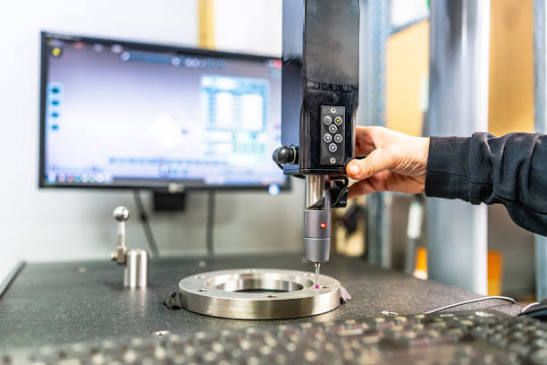
4. Machine Accuracy and Repeatability: Evaluate the machine’s positioning accuracy and ability to produce components within the required tolerances. Match the machine axis configuration and working areas to the complexity and dimensions of the components you want to produce.
5. Control System: Select a machine that provides an easy-to-use interface. Check the CNC machine controller and confirm whether the controller is compatible with the CAD/CDM software, post-processors, and programming requirements. This ensures that the system supports the machining operation and workflows required to meet your production demands.
6. Automatic Tool Changer: Businesses can ask the manufacturers these questions:
How many cutting tools can the magazine accommodate?
What is the actual tool-to-tool change time?
Automatic tool-changing machines support faster tool changes and minimize disruptions during multi-operation machining jobs. Procuring companies should calculate the total ownership cost, including additional maintenance requirements, to make an informed decision.
7. Coolant Mechanism and Safety Features: Ensure that the equipment has an efficient cooling system to prevent heat buildup and remove chips during operations. You can also assess the lubrication system to reduce friction and ensure that the moving components get necessary lubrication.
It is advisable to check this, since it enables the equipment to operate longer without unnecessary disruptions and extends the service life. Moreover, check the emergency stop buttons, protective enclosure, and safety interlocks to ensure that the equipment you are sourcing has a quick safety response.
Understanding the price of a CNC milling machine requires businesses to look at more than just the factory price. You have to calculate all the additional expenses added to the unit price to see if the final price upon delivery fits your budget.
Unit Price - The individual price of each piece of equipment that the supplier offers.
Customization Charges - The additional charges that may apply when companies request changes to machine specifications. This can include improving the spindle power, controller, working area, or tooling capacity according to your required shape and volume.
Packaging Fees - This comprises the cost of extra cushioning or other protective materials required to protect the CNC machining equipment from scratches or dents.
Applicable Import Duties and Taxes - This may include customs duties, import taxes, clearance charges, or applicable regulatory or inspection fees involved. All these charges can vary depending on the type of machine you are sourcing and the country of import.
Port and Terminal Fees - This covers the storage and handling fees for the CNC milling machines.
Inland Transport - These will involve the charges that apply to moving the bulk equipment shipment from the port to your destination factories or warehouse.
Thus, businesses must calculate the total landed cost before placing an order. They also have to confirm the delivery times and Incoterms to know who will be responsible for shipping, handling, customs duty, or late arrival charges.
Landed cost = Machine Cost + Freight + Customization + Packaging + Import duties + Taxes Terminal fees + Local delivery.
Some important factors that buyers can consider include:
Start with the material you want to machine and calculate the volume requirements based on daily, monthly, or yearly demand, and identify the shape, dimensions, and tolerance of the components.
This will help you determine the appropriate machine size, spindle capacity, and machining capabilities. You can also match the component's dimensions with the available storage in your facility and select a suitable machine.
For small businesses that do not require longer hours daily, you can also choose alternative rental options. However, consider charges per hour, usage restrictions, and maintenance responsibilities before placing an order.
Evaluate the machine’s working envelope, spindle speed, horsepower, and maximum workpiece weight to determine whether it can handle your production requirements. Also consider the number of axes and tool-changing capabilities required for your components.
It is important to consider this since an insufficient unit may limit production, while an over-specified unit may lead to unnecessary sourcing and operating expenses.
Full-size machining centers usually require a three-phase, stable power supply. Thus, buyers should source a milling machine after assessing the power requirements and arrangements. To ensure effective operation of the CNC milling machine, check the coolant mechanism, chip removal, and ventilation requirements before placing a bulk shipment.
Check the machine interface and control system to determine whether your existing labor can operate it. Ask the supplier whether they offer installation guidance and a training program to help buyers understand some basic functions, tool setup, and safety procedures, where necessary.
To make an informed decision, buyers must consider the initial purchase price and add all other maintenance requirements. When purchasing used equipment, you have to thoroughly inspect the machine's condition for visible defects. Also check the operating condition and spindle speed, or request the previous maintenance history for reliable equipment sourcing.
However, used equipment usually has low upfront costs, but a poorly maintained unit will lead to frequent visits to repair shops. These potential savings should be weighed against future repair and maintenance expenses.
Industrial buyers must ask the supplier whether they offer a warranty and confirm the parts that are covered in it. Moreover, when deciding on a supplier, choose the one that has available stock to support replacement parts and follow-up to address issues related to non-conforming units.
Some important ways that large businesses can explore to find reliable CNC milling machine suppliers include:
Xometry is a suitable B2B sourcing option that can help buyers to find reliable CNC milling equipment suppliers. You can explore the complete product specifications and review multiple supplier listings based on price, production lead times, and MOQ.
Explore Tradewheel.com to connect with CNC machining equipment suppliers and manufacturers from around the globe. The featured suppliers on our platfrom offer a diverse range of CNC milling machines with suitable pricing options. Before placing an order, you can directly communicate with the seller to discuss the machine specifications such as axis configuration, power capacity, spindle speed, and whether it has an automatic tool changer. Also, you can submit an RFQ form to get inquiries from multiple suppliers at a time.
ThomasNet is an industrial equipment sourcing platform that can help buyers to explore various CNC milling machine options. You can send an inquiry to discuss your specified requirements such as changes in spindle speed, working envelope, or machining capacity. Ask suppliers to offer prices at different order volumes to choose the right volume at competitive rates.
Purchasing equipment based only on the lowest price.
Selecting a machine without checking material compatibility.
Ignoring working area and workpiece dimensions.
Overlooking tooling and installation expenses.
Buying complex equipment without considering operating skills.
Failing to check spare-parts availability.
Ignoring machine demonstrations and inspection reports.
Neglecting maintenance and electricity expenses.
In conclusion, choosing the right CNC milling machine is an important investment for small businesses. Buyers should carefully evaluate machine features, production capacity, material compatibility, and overall costs before making a decision. Comparing new and used machines can also help businesses find an option that fits their budget and requirements. Moreover, selecting reliable suppliers, checking warranty coverage, and ensuring spare parts availability can prevent future problems. By considering these factors, small businesses can make better purchasing decisions, improve production efficiency, and support long-term business growth.
What factors should small businesses evaluate when purchasing a CNC milling machine?
Small businesses should assess machining capacity, spindle speed, working envelope, material compatibility, power requirements, positioning accuracy, and maintenance costs. They should also confirm supplier warranties, replacement part availability, and operator training services before placing an order.
Is buying a used CNC milling machine a good option for small businesses?
Yes, used CNC milling machines can reduce initial purchasing costs. However, buyers should inspect the spindle, control system, axis configuration, and maintenance history before buying.
What costs should buyers consider when purchasing a CNC milling machine?
Beyond the initial purchase price, buyers should consider installation, tooling, electricity, coolant, operator training, maintenance, replacement parts, and shipping expenses.